TL;DR: Chess club nights sit between pub casual and office formal. You want polish without armor: unstructured blazer, dark chinos, clean sneakers or loafers, and a knit or oxford that breathes. The goal is to look like you belong at a serious board, not like you came straight from a wedding or a gym.
Reading the room before you dress
Club culture varies. Downtown clubs in converted lofts skew creative smart casual; suburban community centers often mean neat jeans and a collared shirt. Ask a regular or scroll the club’s social photos. One data point beats ten guesses. When in doubt, elevate slightly—you can remove a blazer, you cannot invent one from a hoodie.
Weeknight Swiss and blitz nights reward mobility. You will stand, sit, shake hands, and maybe grab coffee between rounds. Outfits should survive all of that without needing a full reset at the bathroom mirror. That is the smart in smart casual: intentional, not fragile.
The blazer that does not fight the chair
Choose unstructured or half-canvas blazers with minimal padding. Shoulders should follow your natural line so the jacket stays put when you lean over the board. Heavy shoulder structure looks sharp standing but twists when you sit for ninety minutes.
Navy and charcoal cover ninety percent of club nights. Textured wool or a subtle hopsack weave adds interest without pattern noise. If the room runs hot, cotton-linen blends beat super 120s wool that shows sweat at the underarms. Carry the blazer on your arm if needed—better than playing in a soaked shirt.
Bottoms that move from bar stool to board
Dark chinos in cotton-stretch or cotton-elastane blends hold a crease yet flex at the knee. Avoid overly skinny cuts that pin your calves when you tuck a leg under the chair. A straight or slight taper with a mid rise balances comfort and polish.
For more relaxed clubs, dark selvedge denim without distressing works if paired with a blazer and clean shoes. Skip light wash and rips—they read casual in the wrong direction. If denim is allowed, treat it as you would charcoal trousers: dark, clean, fitted.
Shirts and knits that breathe
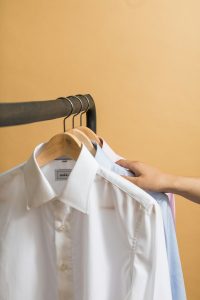
Button-down oxfords stay neat under soft blazers and forgive minor wrinkles. Knit polos in merino or cotton-poly blends add texture and work without a tie. Roll sleeves once if the venue is warm—it signals ease without sloppiness.
Avoid stiff broadcloth unless you need maximum formality for a simultaneous exhibition night. Stiff collars can dig when you hunch during calculation. Soft collar stays or button-down collars keep shape while you lean forward. White and light blue remain the safest pairings with navy blazers.
Footwear for quiet halls
Clean white leather sneakers bridge urban commutes and club floors if the culture allows. Otherwise, penny loafers or minimal derby shoes in brown or black. Soles should not squeak or clack—players notice sound during quiet classical moments even in casual clubs.
Weather matters: swap suede for leather on rainy nights. Keep a microfiber cloth in your bag for scuffs before photos. Shoes are the first thing people see when you stand for pairings; make them intentional.
Assembly formulas that never fail
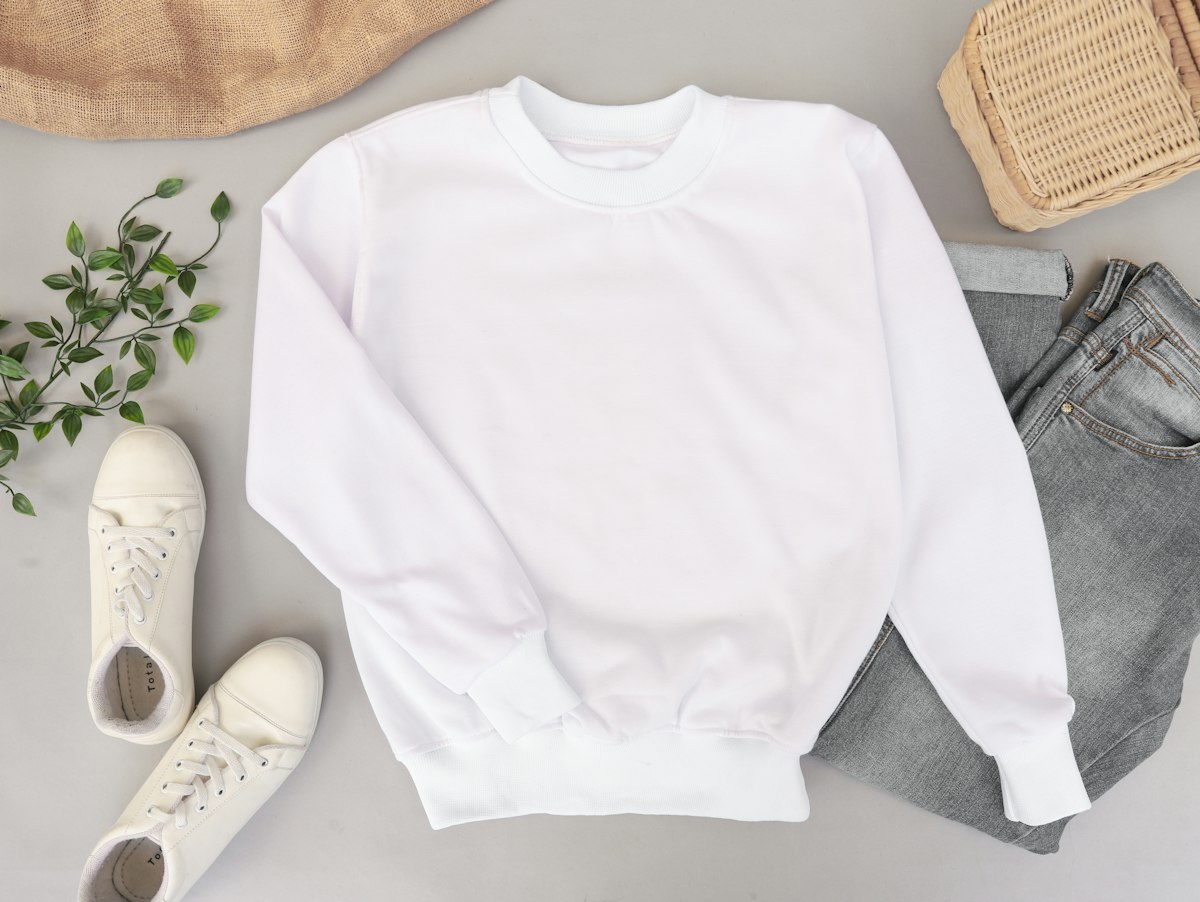
Formula 1: navy unstructured blazer, white oxford, dark chinos, brown loafers. Formula 2: charcoal knit polo, grey trousers, white sneakers, no blazer until you feel underdressed. Formula 3: olive or forest green overshirt as a layer over a white tee, dark denim, clean sneakers—best for creative spaces that welcome color.
Photograph yourself seated before you leave home. Adjust collar and hem once. Smart casual for chess is repeatable once you find your formula; you should not reinvent the wheel every Tuesday. Upgrade pieces gradually through Chess Menswears when your club schedule picks up and you know which formula you repeat most.
Regional club differences worth noting
European club rooms often skew slightly dressier than casual American community-center nights, but university towns everywhere lean creative. When visiting a club as guest, email the secretary or scan Instagram tagged photos from the last month. One image of footwear on the floor tells you more than a generic dress code paragraph.
Blitz culture tolerates more mobility-friendly pieces—stretch chinos, knit polos—because players stand and sit repeatedly. Classical weekenders see more blazers because players settle for hours. Match your formula to the time control you play most, not the fantasy event you might enter once.
Fragrance, noise, and bulk matter socially. Bulky backpacks bump chairs in tight rows; choose a slim tote for board, clock, and notebook. Chess club is still a shared room—outfit respect includes not occupying two chairs with draped layers.
Building a club-night rotation
Rotate three smart-casual combinations across the month so no single shirt dies from weekly wash stress. Club regulars notice repetition less than you fear if pieces stay crisp. Replace when collars fray, not when memory says you wore it last Tuesday.
Keep a compact shoe care kit in car or bag: wipes, mini brush, spare laces. Parking-lot fix takes ninety seconds and saves first-impression at door. Chess clubs remember newcomers who looked prepared.