TL;DR: A monochrome chess wardrobe mirrors the board: light squares, dark squares, and the grey zone between. The trick is texture, not more black T-shirts. Build interchangeable tops and bottoms in white, grey, charcoal, and navy so every combination looks deliberate at club, stream, or airport gate.
What monochrome means for menswear
Monochrome is a palette, not a ban on color. For chess players, it usually means anchoring on black, white, and grey with navy as a practical fourth neutral. These tones survive venue lighting, match most tournament halls, and pack efficiently for multi-day travel. They also age well—important when you are investing in wool rather than fast fashion.
The failure mode is flatness: identical cotton weights head to toe so you look like a uniform instead of a person. Break the plane with weave differences. A herringbone trouser with a plain twill shirt. A ribbed knit against smooth poplin. The board itself is two colors yet never boring because squares alternate; your outfits should alternate surface, too.
Inventory the light half
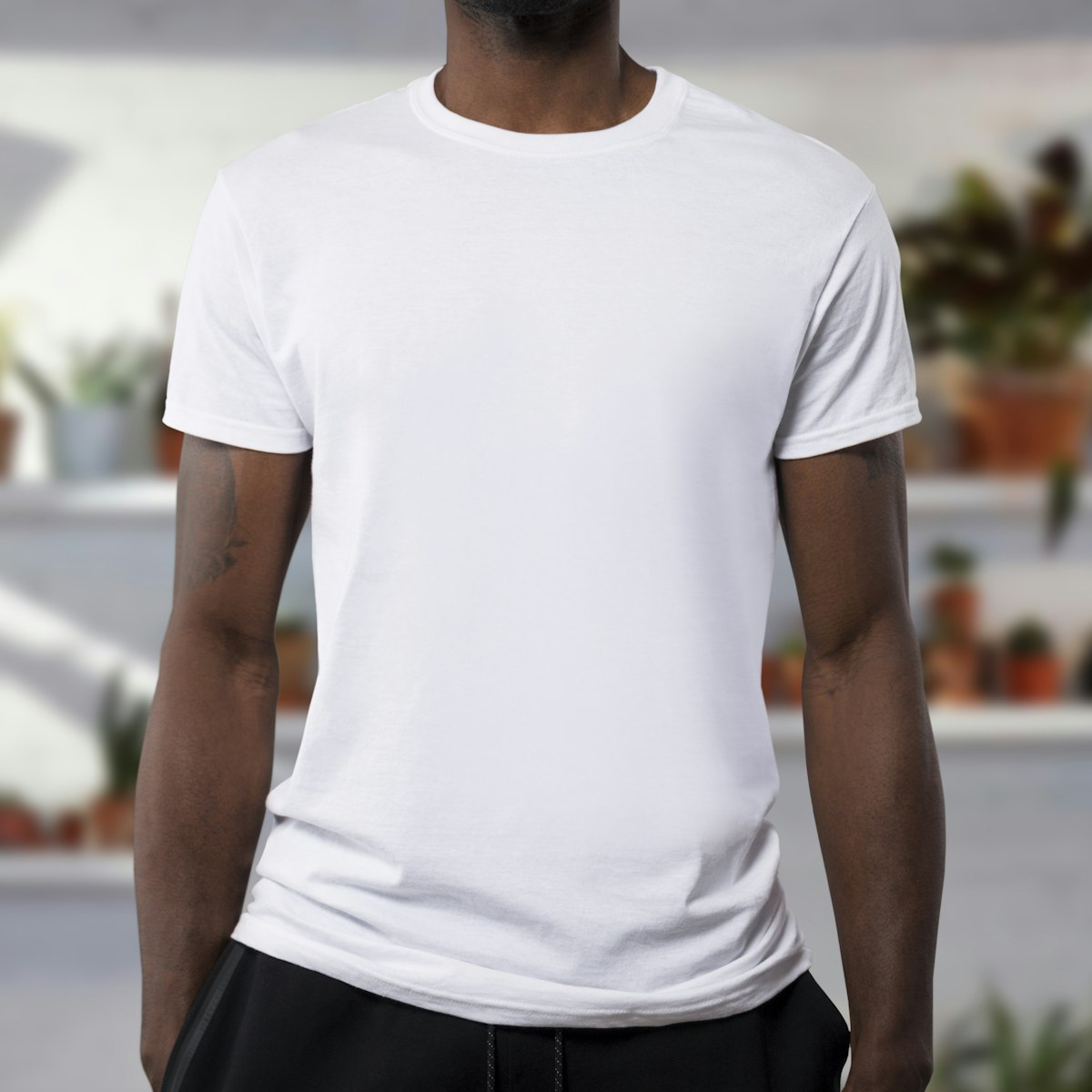
Own at least two light shirts: one crisp white for formal rounds and photos, one soft white or pale blue for casual clubs. Add a light grey merino tee or fine-gauge crewneck for layering under blazers on travel days. White pieces stain easily—rotate so you are never down to one shirt on a Sunday final.
For warm venues, a breathable white linen blend or cotton-linen shirt prevents the damp-back look during rapid games. Keep patterns minimal; hairline stripes are fine, loud plaids fight the monochrome story. If you wear polos, choose pique with structure so collars stand up under a blazer instead of collapsing mid-game.
Inventory the dark half
Charcoal trousers are more versatile than pure black, which shows dust and seat shine. Navy reads slightly softer under fluorescent lights—common in school gyms converted to playing halls. Own one pair for travel with stretch, one sharper pair for photos and award ceremonies.
Dark layers matter: a charcoal blazer, a navy bomber or coach jacket for outdoor walks between rounds, a black or navy overcoat if your circuit runs through winter opens. Dark jeans work for casual club nights but avoid them at strict national dress codes; check the entry form before you pack.
Grey as the transition tone
Mid-grey knits bridge white shirts and charcoal trousers without harsh contrast. Light grey sweaters photograph well on stream because they separate you from a white wall without turning you into a silhouette. Dark grey flannel shirts work as standalone tops for informal team rooms.
Use grey accessories to soften outfits: grey wool socks, a grey scarf, a slate belt. They let you repeat the same dark trousers three days in a row without looking like you forgot to pack. Tournament travel is laundry math; grey is how you multiply outfits without multiplying bulk.
One accent, applied with discipline
Choose a single accent family—burgundy, forest green, or rust—and use it sparingly. A burgundy knit tie for award photos. Forest green socks peeking when you cross a leg. Rust in a leather watch strap. Accents should feel like a controlled sacrifice, not chaos on the seventh rank.
Avoid competing accents in the same outfit. Red socks plus green pocket square plus blue lapel pin reads like three openings at once. Pick one idea and let monochrome carry the rest. Fellow players will remember your calm presentation, not your rainbow.
Packing and rotation strategy
For a three-day open, pack two light shirts, one dark knit, one blazer, two trousers (charcoal + navy), and shoes that work with both. Every top should match every bottom. That is the monochrome advantage: combinatorics favor you. Roll knits; fold trousers along the crease; hang shirts in the hotel bathroom while you shower to steam lightly.
Audit the closet quarterly. If two pieces are the same color and weight, drop one. Replace when seams fail, not when trends shift. A tight monochrome base saves money because new purchases slot in instantly. When you need a piece that fits tournament travel, shop Chess Menswears for cuts that already assume long sits and indoor climate swings.
Closet audit worksheet
Empty your wardrobe onto a bed once a season. Sort into keep, tailor, donate. Anything that fails the seated comfort test goes to tailor or out—even if the color is perfect. Monochrome capsules die when one piece refuses to pair because rise or collar is wrong.
Count combinations mathematically: three shirts times two trousers times one blazer equals six outfits before knits enter. If your math yields fewer than five, you do not have a capsule—you have orphan pieces. Fix orphans before buying new accents.
Storage matters for monochrome: white shirts away from dark wool that bleeds lint; cedar for wool; breathable bags not sealed plastic long term. Care extends the budget capsule because replacement cycles stretch from one season to three.
Travel teaches monochrome faster than home mirror: when everything matches everything, packing anxiety drops. That mental bandwidth returns to prep—which is the whole point of a chess wardrobe system rather than a fashion hobby.