TL;DR: Chess menswear is not a costume. It is calm contrast, clean lines, and clothes that survive four hours in a folding chair. Start with a white or light shirt, dark trousers, neutral shoes, and one structured layer you can remove when the hall overheats. Browse chess-inspired menswear at Chess Menswears when you want pieces built for club nights and tournament travel—not novelty prints that wrinkle before round two.
Why chess players dress with intention
Chess rewards patience, and your wardrobe should follow the same logic. Spectators notice loud outfits; opponents notice whether you fidget with a tight collar during time trouble. The best chess-inspired looks borrow the board’s visual language—black, white, grey, sharp edges—without turning you into a walking meme. Think of dress as part of your pre-game ritual: stable temperature, nothing digging into your waist, shoes quiet on linoleum.
Beginners often overbuy themed accessories before they own one blazer that actually fits. Reverse that order. Fit and fabric matter more than a pawn-shaped lapel pin. When your shoulders sit clean and your trousers break once over the shoe, you look composed before you play the first move.
The monochrome foundation
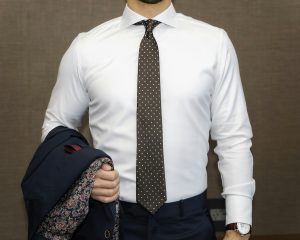
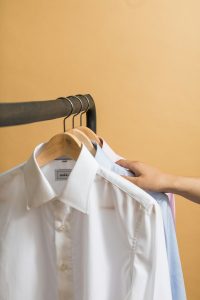
Build around two neutral anchors: a light top and a dark bottom. A crisp white or pale blue shirt paired with charcoal or navy trousers reads sharp in any club photo. Add a grey merino crewneck when air conditioning runs cold—a common complaint in hotel ballrooms and university halls.
Monochrome does not mean boring. Mix textures instead of prints: cotton poplin against wool gabardine, a matte knit under a slight sheen blazer. The eye reads depth the same way it reads a well-lit board. One accent color—burgundy socks, a forest green pocket square— is enough. Two accents start to look like branding, not style.
One structured layer changes the room
A single unstructured navy blazer transforms jeans-and-shirt into smart casual for weeknight Swiss pairs. For weekenders, charcoal hopsack travels better than stiff fused canvas. You want enough structure to look intentional, enough give to reach across the board without pulling at the back seam.
Leave the blazer on the back of your chair during long games if the venue warms up. That is normal. Chess dress codes rarely demand jackets at the table; they demand that you look like you belong among adults who take the game seriously. A folded blazer on the chair reads prepared, not stiff.
Comfort is a competitive detail
Sitting for three to six hours exposes bad choices fast. Low-rise trousers pinch when you lean forward. Stiff dress shirts gap at the chest. Leather soles click on tile and distract neighbors. Test outfits at home: sit on a hard chair, cross one leg, reach forward as if grabbing a knight. If anything binds, fix it before you register.
Stretch wool blends and higher rises help more than buying a larger waist size. Shoes with a cushioned insole and quiet outsole beat pristine oxfords that numb your feet by round four. You are dressing for stillness with occasional walks—not for a standing reception.
Signaling chess culture without costume
Skip head-to-toe print unless the event invites it. One subtle motif—a tie bar, cufflinks, woven sock pattern— tells fellow players you care without shouting. Most clubs and nationals prefer understated dress anyway; TDs have enough to manage without policing novelty knits.
Photographers at bigger events capture winners in hallways. Solid colors photograph cleaner than busy checks on camera and in print. If you stream, the same rule applies: navy, grey, and white survive bad lighting better than black-on-black, which can clip to a void on cheap webcams.
Your first three outfits
Outfit A — club night: light blue oxford, dark chinos, white leather sneakers, unstructured blazer. Outfit B — tournament day: white poplin shirt, charcoal stretch wool trousers, brown loafers, merino layer you can peel off. Outfit C — office then blitz: grey trousers, white shirt, navy knit, commuter-friendly sneakers you swap for quiet loafers in a locker if needed.
Photograph each look seated. Note what wrinkled after thirty minutes. Adjust once, then stop shopping for a month. Chess wardrobe skill compounds when you log small fixes instead of chasing new labels. Revisit the Chess Menswears collection when you are ready to upgrade one piece—not ten.
Building habits that outlast one event
Style skill for chess players compounds the same way opening prep does: small repeated upgrades beat sporadic splurges. After your first tournament in a new outfit, write three notes—what chafed, what photographed well, what felt invisible during time trouble. Those notes become your personal size chart better than any brand table.
Beginners often ask whether they need a full suit. Unless your federation mandates it for title events, a blazer-and-trouser combination covers most domestic opens. Add a tie only when the invitation or venue culture clearly expects it. Overdressing early rounds can feel as awkward as underdressing in a simul photo line.
When budget allows one upgrade, spend on the piece you wear longest each day—usually trousers or shoes. Shirts rotate; blazers come off; feet stay in contact with the floor the entire event. Painful shoes distort posture, which distorts focus. That is not superstition; it is biomechanics you can feel by move twenty.
Keep a digital photo folder of outfits that worked: front standing, side seated, jacket on and off. Before the next registration deadline, scroll it instead of shopping randomly. Chess Menswear editorial teams see the same failure modes repeatedly—monochrome without texture, motif overload, stiff shirts at hour four—so learn from your own gallery first, then shop with intent.