TL;DR: Tournament dress is comfort under scrutiny: breathable shirt, stretch trousers, quiet shoes, and a layer for cold halls. You will sit for hours, walk pairings boards, and maybe appear in winner photos. Build an outfit that survives all three without a mid-day wardrobe crisis.
Morning pairing: dress for the full arc
Tournament days are marathons. You start with coffee and a pairing sheet, end with tired eyes and a crumpled score sheet. Morning choices lock in until evening unless you packed a spare shirt—always pack a spare shirt for two-day events. Choose fabrics that recover: wool blends, quality cotton, merino knits.
Check the regulations first. Some nationals require collared shirts and ban jeans; others are lenient but still expect neat appearance. When rules are vague, business casual is the safe harbor. You are representing yourself and sometimes your club in hallway conversations and photos.
Shirts that survive six hours seated
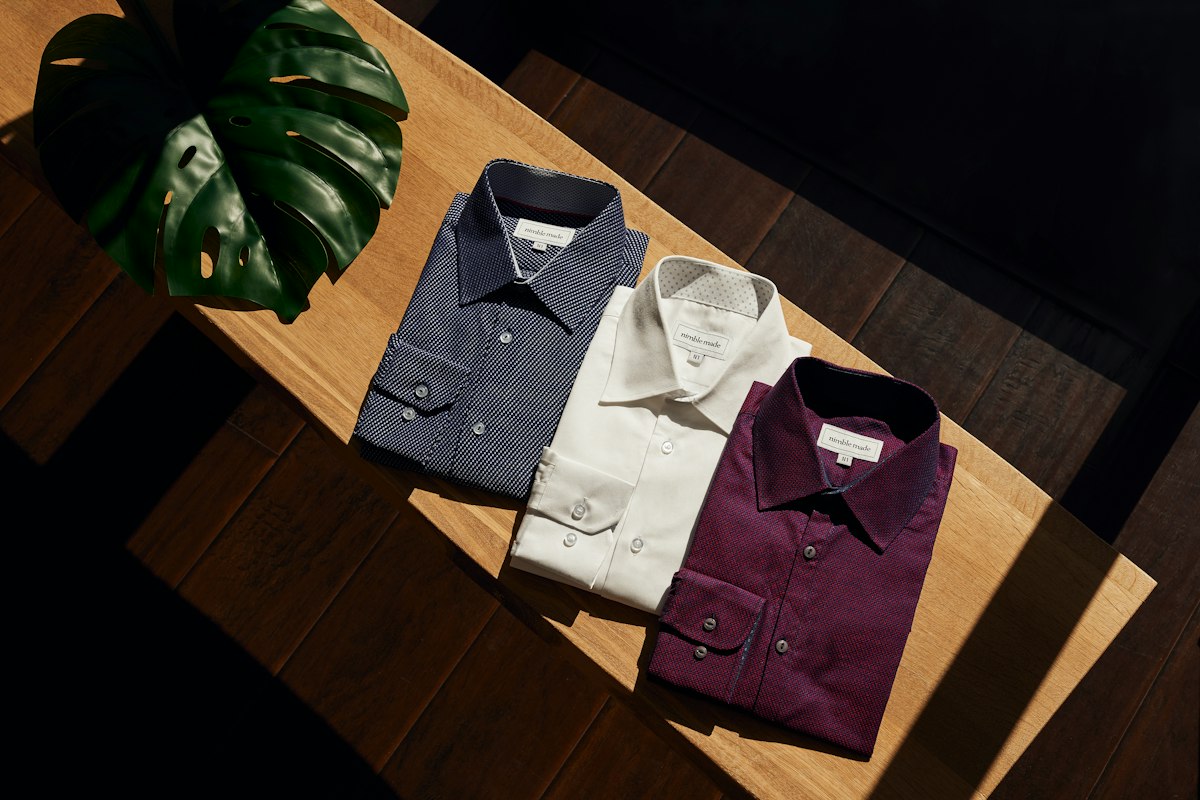
Poplin or twill cotton with a bit of stretch resists pulling at the buttons when you lean. Light blue and white are tournament staples; they pair with every blazer and photograph cleanly. Avoid stiff starch that creases sharply at the elbow—it telegraphs fatigue in photos even when you feel fine.
If you run warm, consider a merino polo under a blazer you can remove. Merino manages odor better than pure cotton on double-round days. For strict collared environments, spread collars frame your face for award photos better than narrow points lost under a jacket lapel.
Trousers engineered for the chair
Stretch wool or wool-poly blends with 2–4% elastane reduce waist pinch. Higher rise trousers stay put when you sit; low rise slides down and makes you fidget—a tell opponents notice even if they should not. Flat front is cleaner under a blazer than pleats that balloon when seated.
Bring a belt that fits on the middle hole morning and evening; bloating and stress happen. Avoid super tight tailoring that looks sharp standing but cuts circulation sitting. You need blood flow to your legs as much as blood flow to your brain.
Layering for unpredictable halls
Hotel ballrooms and school gyms oscillate between cold AC and stuffy crowds. A merino crewneck or fine v-neck under your shirt adds warmth without bulk. A packable blazer or light cardigan in your bag covers drafty seats near doors.
Do not rely on the venue’s thermostat. Players who shiver lose focus; players who sweat through shirts lose confidence in photos. Layers you can add and remove beat one heavy sweater that traps heat during time trouble.
Shoes and socks for long floors
Leather sneakers or cushioned loafers support walking between rounds and hours seated. Break in shoes before nationals—blisters on day one ruin day two. Wool socks in mid-weight cushion feet without overheating. Skip no-show socks if trouser hems ride up when you sit; ankle exposure looks accidental, not styled.
Quiet outsoles respect neighbors in quiet halls. If your shoes click, add felt pads or choose a different pair. Small detail, large goodwill from players on adjacent boards.
Photo-ready without overdressing
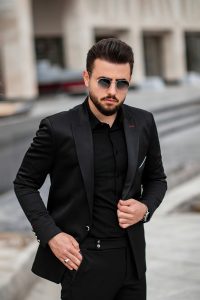
Winners get hallway photos fast. Solid navy blazer, white shirt, and charcoal trousers read timeless in event galleries. Avoid busy patterns that moiré on digital cameras. If you wear a club pin, place it on the lapel and straighten it before results are posted—you will forget in the adrenaline moment.
Pack a travel steamer or hang shirts in a steamy bathroom between rounds. Wrinkles happen; recovery is part of tournament craft. For pieces built around seated play and travel, browse tournament-ready menswear at Chess Menswears before your next rated weekend.
Between-round recovery rituals
Mid-tournament wardrobe care happens in five-minute windows: bathroom collar check, sock adjustment, blazer brush, fresh breath before analysis conversations. Players who treat this as superstition still benefit because ritual calms nerves—even if the TD never sees your collar stay.
Analysis room dress often loosens—knit without blazer, sleeves rolled—but stay neat if spectators linger. Your appearance signals seriousness to potential sponsors and juniors watching. Role-modeling does not require a tie; it requires intention.
Evening award ceremonies may differ from daytime dress code. If in doubt, keep the morning shirt but swap to darker trousers and polished shoes in hotel room. Two-minute upgrade beats missing photos because you wore the same wrinkled polo all day.
Junior and parent wardrobe coordination
Parents accompanying juniors should dress one notch above kids’ required neatness—model behavior without overshadowing. Comfortable shoes still mandatory; you will stand in analysis area for hours.
If photographing child with trophy, avoid clashing loud patterns behind them—solid layers photograph cleaner in school gym lighting. Your wardrobe supports their memory photos.
Equipment bag and outfit coordination
Your tournament bag should not fight your silhouette—bulging side pockets widen hip line in photos. Slim profile bags in dark colors keep focus on face at pairing board. Pack clock, pens, and water in same place every event so pre-round brain space stays on chess, not hunting chapstick.
Some players keep a folded rain poncho in outer pocket; poncho is ugly but saves wool blazer once per rainy nationals walk. Trade one embarrassing minute for dry shoulders at board.