TL;DR / Summary: A ten-round weekend is five long days of sitting in the same clothes. Pack two shirts more than you think you need, choose fabrics that recover overnight, and rehearse the change routine so it fits inside a twenty-minute break.
Why a spare shirt is not optional
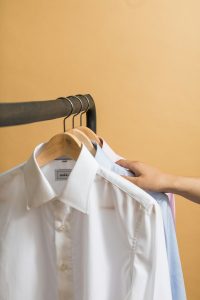
Tournament halls are warm, badly ventilated, and full of people. Nine hours in the same shirt produces a version of you that the photographs will not forgive and that your opponents will notice from across the board.
More practically, a fresh shirt resets your own state. Changing before the evening round is a small ritual that separates a bad morning from a new game, and that separation is worth more than the shirt costs.
Two spare shirts for a five-round weekend is the sensible minimum: one for the overnight gap and one for emergencies.
Fabric choices that survive a suitcase
Cotton poplin looks best and creases worst. A cotton-rich blend with a small amount of stretch recovers overnight and needs less ironing, which matters when the hotel iron is shared and the board is warm.
Avoid heavy oxford cloth for tournament travel — it holds creases at the fold lines and takes an hour with a steamer. Lightweight twill is the practical middle ground.
What to pack
- Three shirts — two light, one slightly darker for the final rounds
- Collar stays — a spare pair, because one always disappears
- Travel steamer — small, and far better than a hotel iron
- Stain pen — coffee and scoresheet ink are the usual culprits
- Undershirts — one per round if the hall is warm
Weigh the bag before the trip. A garment bag that is too heavy gets left in the room, which defeats the point of packing spares.
The between-rounds routine
Twenty minutes is enough if you rehearse it. Walk, water, bathroom, shirt, collar, cuffs, clock check. In that order, because the physical reset matters before the clothing one.
Fold the worn shirt rather than stuffing it into the bag. A shirt that comes home crumpled into a ball has to be washed and pressed before it can be worn again, and on a weekend there is no time.
Change the shirt, change the round.
Keep a small towel and a face wipe in the bag. A quick wash at the sink with a hand dryer is a five-minute investment that changes how the evening round feels.
Packing so nothing creases
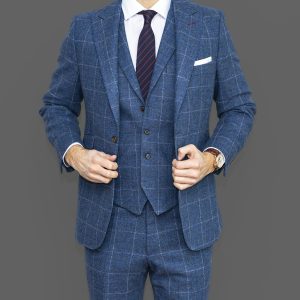
Roll lightweight shirts rather than folding them; rolling distributes the curve and reduces hard fold lines. For a jacket, turn one shoulder inside out and nest it into the other, then place it at the top of the bag.
Put shoes at the bottom, in a cloth bag. Shoe soles against fabric is the fastest way to arrive with a mark on the only clean shirt.
Use packing cubes for small items so the bag stays searchable. At 8am on the second day, nobody wants to unpack everything to find a collar stay.
Laundry on the road
If the weekend is longer than three days, plan a laundry stop rather than packing seven shirts. Hotel laundry is expensive and slow; a local laundrette takes an hour and costs little.
Take a small bottle of travel detergent and wash undershirts in the sink. They dry overnight and reduce the packing volume more than any folding technique.
Check the venue’s dress code before deciding how casual the spare can be. Some events expect a jacket in every round, which changes the packing list considerably.
Handling the extremes
Very cold halls change the calculation. A thin merino layer under the shirt keeps you warm without bulk at the cuff, and merino resists odour far better than cotton over a long day.
Very hot halls push the other way: lighter colour, looser cuff, and an extra undershirt. A dark shirt shows sweat, and a tournament photograph will outlive the memory of how it felt.
Keep one shirt untouched until the last round. Having a genuinely fresh option at the end of a weekend is a small psychological advantage, and it costs nothing but space in the bag.
For garments designed around long tournament days, the pieces at Chess Menswear are cut with playing posture in mind, which reduces the cuff and shoulder problems that make spare shirts necessary in the first place.
What to leave in the car
Keep a spare shirt, a lint roller, and a shoe cloth in the car rather than the bag. The car is the last checkpoint before the venue, and small fixes are easiest there.
A rolled shirt in a plastic sleeve survives days in a boot better than one folded in a suitcase. The sleeve costs nothing and prevents creases.
The best-dressed player is the one who planned for a spill.
Top up the car kit after each tournament. A kit that is raided and not restocked is a kit that fails the second time.