TL;DR: Chess-friendly blazers are navy or charcoal, notch lapel, minimal padding, and texture over pattern. Unstructured fits survive sitting; fused budget blazers often die at the elbow by round three. One good blazer outlasts three cheap ones that photograph shiny under hall lights.
Why blazers anchor chess style
The blazer is the fastest signal that you respect the room. It echoes formal tradition without requiring a full suit at every local club. It adds a vertical line that reads well in standing pairing photos and stream thumbnails. It also gives you a layer to remove when venues overheat—flexibility suits long events.
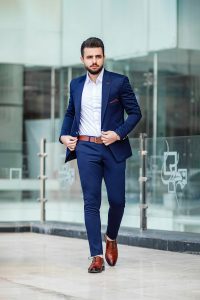
Chess aesthetics favor calm authority, not flash. The blazer should look like a decision, not an accident. That means correct shoulder fit, sleeves ending at wrist bone, and length covering seat but not swallowing your torso when seated.
Structured versus unstructured
Structured blazers with strong shoulder padding suit tall, broad frames standing for ceremonies. Most players benefit from soft shoulder or unstructured models that move with you at the board. Half-canvas construction drapes better over time than full fused glue that bubbles after dry cleaning.
Try the chair test: sit, reach forward, cross arms. If the back pulls like a drum, size up or choose a softer make. If the lapels gape away from chest, consider tailoring at the side seam—cheaper than buying a third “almost right” jacket.
Lapel, button, and pocket choices
Notch lapels are the universal default—appropriate from club to corporate simul. Peak lapels add formality; save them for gala events unless your daily wardrobe is already sharp. Two-button fronts suit most men; three-button can shorten the torso visually if you are tall.
Patch pockets relax a blazer for smart casual nights; flap pockets skew formal. Pick one style and stay consistent with your trousers’ formality. Breast pocket handkerchiefs are optional; when used, keep folds simple. A puff of white linen beats a novelty chess print square in serious rooms.
Fabric weights for indoor seasons
9–11 oz wool works year-round in air-conditioned halls. Heavier tweeds suit winter opens; tropical wool or cotton-linen blends suit summer travel. Avoid ultra-fine super 150s that show sweat and wrinkle if you look at them wrong.
Texture reads chess-appropriate without prints: hopsack, nailhead, birdseye, subtle herringbone. These catch light like squares on a board—variation within discipline. Solid navy in textured wool often outclasses patterned suits that moiré on camera.
Color strategy
Navy first, charcoal second, mid-grey third if you already own navy. Brown tweed works for autumn club culture in creative cities. Black blazers can look harsh under fluorescent lights unless paired with soft shirts; they also show lint instantly.
Match blazer buttons to metal on watch and belt buckle for unconscious cohesion. Brass with brown shoes, silver with black—classic rules still help in hallway conversations where people notice details without naming them.
Care and longevity
Brush wool after wear, hang on wide shoulders, rest twenty-four hours between heavy uses. Dry clean sparingly—spot clean when possible. Steam rather than iron lapels to avoid shine. A good blazer amortizes across seasons of tournaments.
When upgrading, prioritize fit at shoulders and sleeve pitch—the hardest alterations. Body tapering is easier for tailors. Source from Chess Menswears when you want cuts already biased toward seated comfort and indoor climates, then tailor once to your frame.
When to retire a blazer
Shiny elbows, permanent collar roll, blown lining at armhole—signals retirement before nationals photo. Tournament photos live online years; blazer worth appears in every search of your name plus city open.
Second-hand quality blazers with good shoulders beat new fused jackets at same price if you inspect lining and smell for mildew. Consignment shops near financial districts often stock corporate castoffs perfect for chess rooms.
Tailors can shorten sleeves and take waist; they cannot fix cheap shoulder padding that collapsed. Know which problem you are solving before spending alteration dollars.
Ventilation and lining breathability
Half-lined or quarter-lined blazers suit warm halls; full lining traps heat during long classics. Ask retailer lining description before buying online.
Underarm sweat shields disposable liners protect blazer at dry clean intervals—especially summer simuls in historic unventilated rooms.
Button stance and sitting posture
Always unbutton blazer when sitting at board—extends fabric life and looks correct. Buttoning while seated strains front button and creates X-pull photo evidence. Re-button for hallway photos only.
Matching blazer to body type
Tall players benefit from slightly longer jacket length balancing leg line; shorter frames need shorter jacket to avoid swallowing torso in seated photos. Sleeve pitch errors show when you extend arm to press clock—test that motion specifically in fitting room.
Double-breasted blazers photograph powerfully at awards but restrict reach slightly—know tradeoff before buying for daily club use only.
Blazer and trouser formality pairing
Match blazer shoulder structure to trouser crease sharpness—soft shoulder with crisp pleated trouser can work; fused costume blazer with sloppy chino reads confused. Chess rooms forgive mild mismatch if colors stay monochrome; they notice when top half says formal and bottom half says yard work.