TL;DR: Wool structures, cotton breathes, blends travel. Match fabric to venue climate and activity: wool trousers for formal rounds, cotton shirts for warm halls, merino knits for variable AC. Label literacy beats marketing adjectives on hang tags.
Wool: the tournament workhorse
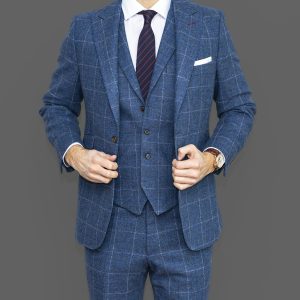
Wool absorbs moisture, retains warmth when thin, and drapes well in blazers. Worsted wool suits smooth office-like trousers; flannel adds softness for winter. Wool with elastane adds stretch for sitting—look for percentages on tags, not just “stretch” marketing.
Super numbers (120s, 150s) describe fineness, not durability. Finer wool feels luxurious but wrinkles and wears faster—fine for ceremonies, less for daily club grind. For most players, mid-weight worsted or hopsack balances longevity and polish.
Cotton: shirts and warm venues
Poplin is crisp; oxford is textured and casual; twill adds diagonal strength. Cotton breathes well but wrinkles and shows sweat. Non-iron cotton often uses treatments that reduce breathability—test in a hot room before you commit for summer opens.
Chino cotton for trousers works in relaxed dress codes; pair with stretch for sitting comfort. Pure cotton without stretch needs generous cut. Linen-cotton blends reduce wrinkle while keeping airflow—excellent for outdoor simul side events.
Blends: where travel wins
Poly-wool blends resist wrinkles and dry quickly—ideal for carry-on wardrobes. Not all poly blends look cheap; touch and drape tell truth. Hold fabric to light: excessive shine suggests low-quality synthetic that photographs poorly.
Cotton-elastane chinos dominate smart casual for a reason: recovery after sitting, easy care, moderate breathability. Merino-nylon blends add pack durability for knits. Read composition labels; 2% elastane changes behavior dramatically.
Choosing by scenario
Cold AC hall: wool trousers, cotton shirt, merino knit, wool blazer. Warm summer club: cotton-linen shirt, lightweight chino or tropical wool trouser, optional unstructured linen blazer. Travel weekend: poly-wool trousers, merino shirts or knits, one wrinkle-resistant blazer.
Scenario planning prevents overpacking. Write fabric next to each item on your list—if everything is wool, you will overheat one afternoon guaranteed.
Care impacts longevity
Wool: brush, air, spot clean, infrequent dry clean. Cotton: machine wash cold, hang dry to reduce shrink. Blends: follow dominant fiber care but expect faster drying. Never ignore “dry clean only” on structured blazers unless you accept risk.
Fabric pilling distinguishes quality quickly. Cheap knits pill after two wears; good merino resists. Invest where items touch skin and chairs—trousers, shirts, knits.
Reading labels without marketing noise
“Performance” and “tech” mean little without composition. Look for microns in merino marketing when available. GSM or ounce weight for cotton indicates heft. Hold two swatches; heavier is not always better but ultralight often means see-through or fragile.
When shopping chess-oriented collections, compare fabric specs at Chess Menswears to your proven tournament favorites. Match weight and stretch percentage before you match color.
Performance marketing versus real specs
“Moisture-wicking” dress shirts vary wildly—read reviews from travelers, not runners. Sitting sweat differs from jogging sweat; pit zone matters most. Darker shirts hide until you remove blazer under hot lights.
Wrinkle-free cotton often trades comfort for chemistry. If skin reacts, accept ironing one shirt instead of wearing treated fabric three days straight.
Natural fibers repair easier than synthetics when snagged at board—consider repairability in cost-per-wear math.
Swatch notebook habit
Cut fabric swatches from old favorites into notebook with brand and size notes. Shopping compares touch memory, not just numbers. Wool hand-feel differs batch to batch even same label.
Humidity at destination affects drape—coastal summer tour needs lighter weave than dry mountain city same month.
When cotton wins outright
Hot gym venues with broken AC favor pure cotton despite wrinkle—survival beats polish. Accept one wrinkled photo day versus heat distraction costing rating points. Tournament pragmatism over Instagram.
Blend ratio on label predicts behavior: 98/2 cotton elastane feels different from 60/40 cotton poly—touch before bulk ordering online.
Long-term fabric learning project
Keep one notebook page per fabric owned: brand, composition, first wear date, rounds survived, wrinkle score one to five. After year you know personal bests without marketing claims.
Share notes with chess team—collective data beats solo trial for budget teams ordering matching club blazers.
Fabric failure post-mortems
When shirt fails event—pills, tears, sweat stains—log fiber and brand. Failures teach faster than successes. Team captain compiling failure log saves rookies repeating same polyester mistake at humid seaside open.
Wardrobe decisions compound across a chess season the way small positional edges compound across a tournament. Log what worked, alter what almost worked, and retire what fought you at the board. That discipline costs less than replacing the same mistake every registration cycle.
Wardrobe decisions compound across a chess season the way small positional edges compound across a tournament. Log what worked, alter what almost worked, and retire what fought you at the board. That discipline costs less than replacing the same mistake every registration cycle.
Wardrobe decisions compound across a chess season the way small positional edges compound across a tournament. Log what worked, alter what almost worked, and retire what fought you at the board. That discipline costs less than replacing the same mistake every registration cycle.